From executive positions to entrepreneurship, Samantha is
well-rounded. A certified Leadership Mentor and Coach for youth and adults,
a long-standing juvenile advocate, and consultant to nonprofits and small
businesses nationally.
Find a way to do the work that glows on your face, keeps no record of time, and
makes the world a better place.
- Samantha Vance
Clients
Samantha has a proven ability to build and lead teams and smoothly manage operations.
Improving your emotion regulation skills can help you be better prepared when you encounter obstacles — big or small — throughout your life. To stay healthy and on an even keel, look for https://ecosoberhouse.com/ complex carbohydrates, lean proteins, and fatty acids found in fish, meat, eggs, and nuts. It’s OK to say “no” to demands on your time and energy that’ll place too much stress on you. You don’t always have to meet the expectations of others. Many online and smartphone apps provide guidance on these techniques. Although some require purchase costs, many are available free of charge.
‘Burnout brought me to my knees – walking saved my life’
And junk food can seem even more appealing when you’re under a lot of stress. It can be easy to avoid others when you’re feeling stressed and not in a great mood. But spending time with or talking to your family and friends can help reduce your stress and get you out of your funk. Learning to cope in a healthy way can help reduce your stress. Taking small steps in your daily life to manage stress can have a big impact. You can find and manage what triggers your stress and the right combination of healthy techniques that work for you.
Stress and mental health conditions
“But you need to be present and engaged in the sounds you’re hearing. If your mind is wandering to a stressful place, music won’t help.” Getting 150 minutes per week of moderate-intensity exercise, such as brisk walking, is important for all aspects of health, including stress management. When your state of mind is generally optimistic, you’re better able to handle everyday stress in a more constructive way. That ability may contribute to the widely observed health benefits of positive thinking.
Connect with NIMH
The worksheets are easy to administer and appropriate for clients experiencing stress in different domains of their lives. Two of these tools are designed for assessment and can help identify energy levels, the most effective ways to recharge, and how clients approach and reframe life events. The third tool is an exercise to help develop work–life boundaries. Mindfulness exercises, such as mindfulness meditation, may also protect against work stress. Mindfulness meditation is a stress-management technique focusing on the present moment without judgment.
But if you’re finding it hard to cope, feel overwhelmed or notice stress-relieving techniques aren’t working, it may be time to talk to your healthcare provider. A mental health specialist may recommend talk therapy or other coping tools, in addition to or beyond the ones we’ve highlighted here, to help you manage your stress levels. Stress is your body’s response to a challenging or demanding situation. It can affect you physically, mentally, and behaviorally, especially Drug rehabilitation when you have chronic stress.
Physical activity and exercise are not the same thing, but both are good for your health. Friends and family can also help you feel less alone by sharing their experiences. Nearly everyone has done something they regret, so most people know what it’s like to feel guilty. If you feel guilty for not spending enough time with friends, you might make more of an effort to connect. When stress distracts you from your relationship, you might improve the situation by devoting one night a week to your partner. Refusing to acknowledge your guilt might temporarily keep it from spilling into your everyday life, but masking your emotions generally doesn’t work as a permanent strategy.
Moodfit
You may be able to tell if you’re stress vomiting if your episode passes when the what are healthy ways to deal with stress stress goes away. If it doesn’t, then your episode may be caused by something else. It’s time to get checked out by your doctor if you have more than a couple of episodes or you can’t figure out what’s causing them.
Talk to people you trust
It can be something as small as helping someone cross the road or going on a coffee run for colleagues. Evidence shows that people who help others, through activities such as volunteering or community work, often become more resilient. They might provide temporary relief, but in the long term, these crutches won’t solve your problems.
Exercise regularly
This doesn’t mean getting rid of stress by distracting yourself. Instead, Peterson suggests, replacing your stress involves taking small steps to add more of what you want to your life. “Rather than just seeking to reduce stress, shift your attention,” Peterson says. Meditation can be as simple as closing your eyes and creating a blank space in your mind. Or you can try guided sessions with the help of meditation apps or videos. Stress is an inevitable part of life, and it’s impossible to avoid or eliminate it.
You may have some friends who seem relaxed about almost everything.
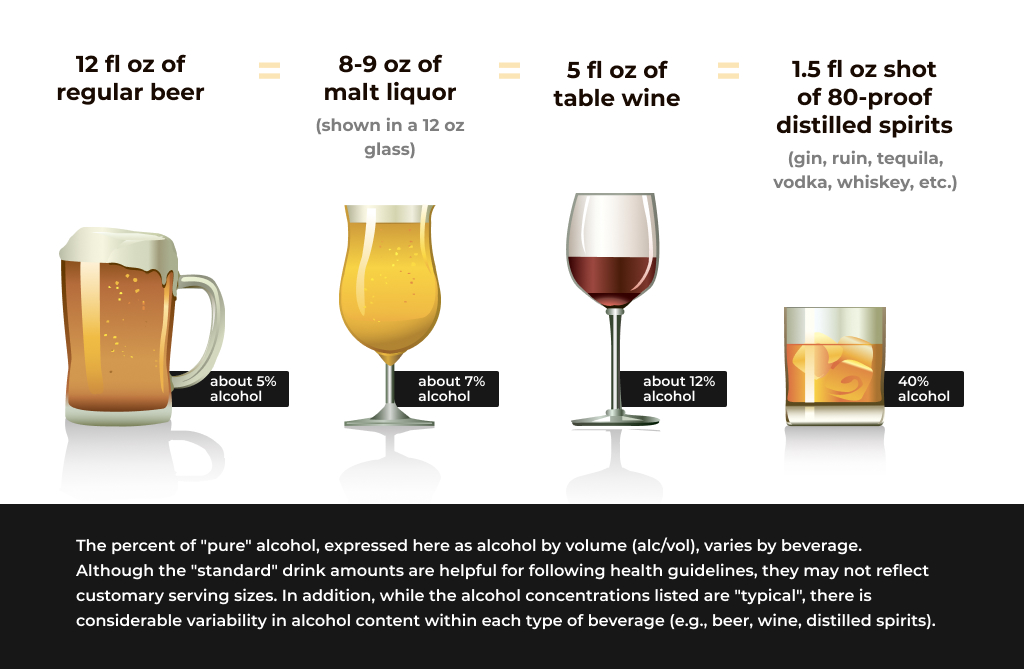
Reaching for a glass of wine to unwind after a stressful day?
Self-regulation starts with exploring and understanding your behaviors, emotional reactions, and impulses.
Taking good care of yourself can help to ease chronic stress and negative consequences for your overall wellbeing.
In addition to helping clients identify primary values, the tool can also help them identify incongruous behaviors that can lead to stress. One commonly used activity is the ABC sheet, which is based on CBT and helps patients understand the relationship between their thoughts, emotions, and behaviors. Fish with high levels of omega-3 fatty acids may also reduce perceived stress.